„Európai integráció és vallási identitások
A vallás megítélése az EU építésének
És bővítésének folyamatában”
« Intégration européenne et identités religieuses
La perception de la religion au cours du processus de construction et d'élargissement de l'UE »
„Europäische Integration und religiöse Identitäten
Die Wahrnehmung von Religion während des Prozesses des Aufbaus
und der Erweiterung der EU“
”European Integration and Religious Identities
The perception of religion during the process of building
and enlarging the EU”
Péntek/ Vendredi/ Freitag Friday, March 20th 2026 10:30 am – 6 pm;
Szombat/ Samedi/ Samstag/ Saturday, March 21st 9:30 – 13:30 pm
PENTEK/ VENDREDI/ FREITAG/ Friday March 20th
9:30 RegisztrÁció és Fogadás / Registration and Welcome
10:30 megnyitó/ OUVERtURE/ ÖFFNUNG /Opening by Dr Semjén Zsolt
Az európai építkezés első lépései
Les premiers pas de la Construction européenne
Die ersten schritte des Aufbau Europas
First steps of the European Construction
Moderator: KÁROLYI György
11:00 Dr Christine BACH: Konrad Adenauer, a keresztény emberkép és az európai integráció politikája/ Konrad Adenauer, la vision chrétienne de la personne humaine et la politique de l’intégration européenne / Konrad Adenauer, das christliche Menschenbild und die Politik der Europäischen Integration/ Konrad Adenauer, the Christian View of the Human Person, and the Politics of European Integration
11:30 Mauve CARBONELL: Robert Schuman, Jean Monnet és az Európai Szén- és Acélközösség létrehozása: milyen elképzelések az európai egységről?/ Robert Schuman, Jean Monnet et la création de la Communauté européenne du charbon et de l'acier: quelles visions de l'unité européenne?/ Robert Schuman, Jean Monnet and the Creation of the European Coal and Steel Community: What Visions of European Unity?
12:00 Dr. MÉSZÁROS József: A magyar kereszténydemokrata mozgalom üzenete a magyar társadalom számára / Le message du mouvement chrétien-démocrate hongrois à la société hongroise/ Die Botschaft der ungarischen christdemokratischen Bewegung an die ungarische Gesellschaft/ The message of the Hungarian Christian Democratic Movement to Hungarian society
12:30 Dr. FEJERDY Gergely: Az európai kereszténydemokrácia egyik nagy alakja: Habsburg Ottó máig élő öröksége / Une grande figure européenne de la Démocratie chrétienne: L’héritage toujours actuel d’Otto de Habsbourg / Eine führende europäische Persönlichkeit der Christdemokratie: Das bleibende Vermächtnis von Otto von Habsburg / A leading European figure in Christian democracy: Otto von Habsburg's enduring legacy
Vita / Discussion
13:00 -14:00 Ebéd/Déjeuner/Lunch/ Mittagessen
Moderator: Dr. FEJERDY Gergely
14:00 Prof. Leon van den BROEKE: A kereszténység és a demokrácia megítélése Hollandiában az Európa és a vallás kontextusában / La perception du christianisme et de la démocratie aux Pays-Bas dans le contexte de l'Europe et de la religion/ Wahrnehmung von Christentum und Demokratie in den Niederlanden im Kontext von Europa und Religion / Perception of Christianity and Democracy in the Netherlands in the context of Europe and Religion
14:30 Prof. Evanthis HATZIVASSILIOU: A vallás mint háttérbefolyás az európai integrációban: a görög perspektíva / La religion comme influence sous-jacente dans l'intégration européenne : la perspective de la Grèce /„Religion als Hintergrundeinflussfaktor der europäischen Integration: die Perspektive aus Griechenland/ Religion as a Background Influence in European Integration: the Perspective from Greece.
15:00 Prof. Dr Frank-Lothar KROLL: Kereszténydemokrácia Németországban 1945 után – hitvallás vagy politikai program? / La Démocratie chrétienne en Allemagne après 1945 : profession de foi ou programme politique ? /Christliche Demokratie in Deutschland nach 1945 - Glaubensbekenntnis oder politisches Programm?/ Christian democracy in Germany after 1945 – creed or political program? »
Vita / Discussion
15:30 Coffee break
I integráció, identitás, vallás és az elsŐ EU-bŐvítések
Intégration, Identité, Religion et premiers élargissements de l’UE/ integration, identität, religion, ersten erweiterungen der EU/
integration, identity, religion and the first EU enlargements
Moderator: Dr.Antonia-Sophia BARANIUK
16:00 Prof. Grace DAVIE: Stabilitás vagy változás? Európa vallási élete: 1950–2025 / Stabilité ou changement ? La vie religieuse de l’Europe : 1950-2025 / Stabilität oder Wandel? Europas religiöse Leben: 1950–2025 / Stability or Change? The Religious Life of Europe: 1950-2025
16:30 Ana Raluca ALECU: Hit, identitás és európai hovatartozás: folytonosság és változás Románia vallási tájképében az Európai Unióhoz való csatlakozás óta / Foi, identité et appartenance européenne : continuité et changement dans le paysage religieux roumain depuis l'adhésion à l'Union européenne/ Glaube, Identität und europäische Zugehörigkeit: Kontinuität und Wandel in der religiösen Landschaft Rumäniens seit dem Beitritt zur Europäischen Union / Faith, Identity and European Belonging: Continuity and Change in Romania’s Religious Landscape since Joining the European Union
17:00 Joanna KULSKA: Jelenlét vagy távollét? A vallás mint identitásfaktor Közép-Kelet-Európában / Présente ou absente ? La religion comme facteur d'identité en Europe centrale et orientale / Anwesend oder abwesend? Religion als Identitätsfaktor in Mittelosteuropa/ Present or absent? Religion as a factor of identity in Central Eastern Europe
17:30 Prof. Radu CARP: Legújabb gondolatok a kereszténységről és a demokráciáról a katolikus, protestáns és ortodox kontextusban – a közös európai alapok keresése / Réflexions récentes sur christianisme et démocratie dans les contextes catholique, protestant et orthodoxe – à la recherche de fondement européen commun/ Aktuelle Überlegungen zu Christentum und Demokratie im katholischen, protestantischen und orthodoxen Kontext – auf der Suche nach einer gemeinsamen europäischen Grundlage / Recent reflections on Christianity and Democracy in Catholic, Protestant and Orthodox contexts - searching for a common European ground
Dr.Antonia-Sophia BARANIUK :A nap tanulságai / Conclusions de la journée/ Fazit des Tages/ Conclusions of the day
19:30 Vacsora / Dinner
(Kérésre idegenvezetés a kastélyban és a könyvtárakban / A la demande visite du chateau et de ses bibliothèques / Auf Wunsch Besichtigung des Schlosses und der Bibliotheken / On request, guided tour of the palace and its libraries )
♦
SZOMBAT /SAMEDI/ SAMSTAG/ Saturday March 21st
szekularizmus vagy vallási megújulás Európában?
Sécularisme ou renouveau religieux en Europe ?
Säkularismus oder neugeburt in Europa ?
Secularism or religious revival in Europe ?
Moderator: Dr Lasse Lassen
9:30 Dr. Blaise WILFERT: Vajon „Európa” valaha is keresztény volt? ... vagy miért nem lehet az Európai Unió „keresztény klub”? / L’ „Europe” a-t-elle jamais été chrétienne? ... ou pourquoi l'Union européenne ne peut pas être un "club chrétien” / War „Europa“ jemals christlich? ... oder warum die Europäische Union kein „christlicher Club“sein kann / Has “Europe” ever been Christian? ... or why the European Union cannot be a “Christian club”
10:00 Dott. Luigi GIANNITI: A multinacionális kereszténydemokrata európai projekt eredete: De Gasperi, a bécsi parlamenttől az Olasz Köztársaság élére / Les origines du projet européen multinational démocrate-chrétien: De Gasperi, du Parlement de Vienne à la tête de la République italienne/ Die Ursprünge des multinationalen christdemokratischen europäischen Projekts: De Gasperi vom Wiener Parlament zur Führung der Italienischen Republik / The origins of the multinational Christian democratic European project: De Gasperi from the Vienna Parliament to the leadership of the Italian Republic
10:30 Ramita MANSOUR: Robert Schuman : Hit, demokrácia és béke Európában/ Robert Schuman : foi, démocratie et paix en Europe/ Robert Schuman : Glaube, Demokratie und Frieden in Europa / Robert Schuman : faith, democracy and peace in Europe.
11:00 Fabio WOLKENSTEIN: Mit jelent a „haladás” a kereszténydemokraták számára? Que veut dire « progrès » pour les Démocrates chrétiens / Was bedeutet ‘Fortschritt‘ für Christdemokraten? / What means “Progress” for Christian Democrats?
Vita / Discussion
11:30- 11:45 Coffee break
Moderator: Dr. Blaise WILFERT
11:45 François FORET: Kiábrándult Európa? A vallás a kultúra és a politika között az Európai Unióban / Europe désenchantée? La religion entre culture et politique dans l'Union européenne / Enttäuschtes Europa? Religion zwischen Kultur und Politik in der Europäischen Union / Disenchanted Europe? Religion between culture and politics in the European Union.
12:15 Steven van HECKE: Makacs vagy elavult? A vallás szerepe az európai életmódban/ Obstiné ou obsolète ? Le rôle de la religion dans le mode de vie européen / Hartnäckig oder überholt? Die Rolle der Religion in der europäischen Lebensweise / Obstinate or Obsolete? The Role of Religion in the European Way of Life
12:45 Dr. ROSTA, Gergely Lászlo: Szekularizáció és vallási újjáéledés: Vallási változás Közép- és Kelet-Európában 1990 óta /Sécularisation et renouveau religieux : les changement religieux en Europe centrale et orientale depuis 1990 / Säkularisierung und religiöse Wiederbelebung: Religiöser Wandel in Mittel- und Osteuropa seit 1990 / Secularization and Religious Revival: Religious Change in Central and Eastern Europe since 1990
12 :45 Dr. Blaise WILFERT : A nap tanulságai / Conclusions de la journée/ Fazit des Tages/ Conclusions of the day
13 :00 Záró ebéd / Déjeûner de clôture/ Abschlussmittagessen/ Closing lunch
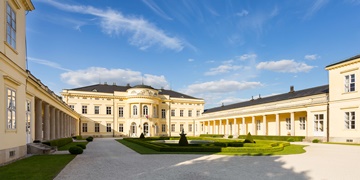
Károlyi Kastély, 8052 Fehérvárcsurgó, Petöfi S. u. 2.
JELENTKEZÉSÉS március 13-ig: info@karolyikastely.hu